Solar Panel Price In The Philippines
Solar Panel Price in the Philippines: Your Definitive Guide to Costs & Savings
Dreaming of a greener, more sustainable life in the Philippines? Maybe you own property there, are considering an investment, or are simply curious about the cost of clean energy in one of Southeast Asia’s most dynamic economies. Whatever your reason, understanding the solar panel price in the Philippines is your first critical step.
Table of Contents
- Solar Panel Price in the Philippines: Your Definitive Guide to Costs & Savings
- Understanding the Average Solar Panel Cost in the Philippines (2024 Estimates)
- Residential Solar System Packages: What to Expect
- Breaking Down Costs: Grid-Tied vs. Off-Grid vs. Hybrid Systems
- Per Kilowatt (kW) Pricing: The Industry Standard
- What Drives Solar Panel Prices in the Philippines? Key Factors You Need to Know
- Solar Panel Type and Technology (Monocrystalline, Polycrystalline, Thin-Film)
- Inverter Quality and Type (String, Micro, Hybrid)
- Battery Storage Solutions (For Off-Grid/Hybrid Systems)
- Mounting System and Installation Complexity
- Brand Reputation and Warranty
- Permitting, Net Metering, and Ancillary Costs
- Location and Accessibility
- Long-Term Savings and Return on Investment (ROI) in the Philippines
- Calculating Your Potential Electricity Bill Savings
- Understanding Net Metering in the Philippines
- Government Incentives and Policies
- Navigating the Solar Installation Process in the Philippines
- Step-by-Step Guide to Going Solar
- Choosing the Right Solar Provider
- Future Outlook: Solar Energy Trends in the Philippines
As someone based in the US, you might be used to certain energy cost structures. However, the Philippine landscape offers unique opportunities and considerations. The good news? Solar power in the Philippines is becoming increasingly accessible and affordable, offering a compelling alternative to traditional electricity sources. Let’s break down what you can expect to pay and, more importantly, what value you’ll gain.
Generally, for a typical residential grid-tied solar panel system in the Philippines, you’re looking at an estimated investment ranging from PHP 90,000 for a 1 kWp system up to PHP 700,000 or more for a substantial 10 kWp setup. These figures, of course, are just the starting point, as various factors will influence your final cost.
Understanding the Average Solar Panel Cost in the Philippines (2024 Estimates)
When you’re looking at solar panel prices in the Philippines, it’s essential to understand that you’re not just buying panels. You’re investing in an entire system: panels, inverters, mounting structures, wiring, and labor. The total cost is often quoted per kilowatt-peak (kWp) or as a complete system package.
Residential Solar System Packages: What to Expect
Most solar providers in the Philippines offer standardized residential packages, making it easier to gauge your investment. These packages are usually designed to offset a significant portion of your electricity bill. Below is an estimated cost range for common grid-tied systems. Keep in mind these are averages, and actual prices may vary based on your chosen provider, equipment, and location.
| System Size (kWp) | Estimated Monthly Bill Offset (PHP) | Estimated System Cost (PHP) | Typical Daily Generation (kWh) |
|---|---|---|---|
| 1 kWp | PHP 2,000 – 4,000 | PHP 90,000 – 130,000 | 4 – 5 |
| 2 kWp | PHP 4,000 – 6,000 | PHP 170,000 – 230,000 | 8 – 10 |
| 3 kWp | PHP 6,000 – 8,000 | PHP 220,000 – 300,000 | 12 – 15 |
| 5 kWp | PHP 10,000 – 15,000 | PHP 350,000 – 480,000 | 20 – 25 |
| 10 kWp | PHP 20,000 – 30,000+ | PHP 650,000 – 900,000+ | 40 – 50 |
These packages are designed to give you a good idea of what’s possible. For instance, a 1 kWp system might be perfect for a small household with minimal energy consumption or as a supplementary power source, while a 5 kWp or 10 kWp system could significantly reduce or even eliminate the electricity bills for larger homes with heavy air conditioning use.
Breaking Down Costs: Grid-Tied vs. Off-Grid vs. Hybrid Systems
The type of solar system you choose heavily influences the overall cost. Each has its own advantages and ideal use cases:
- Grid-Tied (On-Grid) Systems: These are the most common and generally the most affordable for residential use. They connect directly to the existing utility grid. When your panels produce more electricity than you use, the excess is fed back into the grid, potentially earning you credits (via net metering). When your panels produce less (e.g., at night), you draw power from the grid. They don’t include batteries, which keeps the cost lower.
- Off-Grid Systems: Ideal for remote locations without access to the utility grid, or for those who want complete energy independence. These systems require batteries to store excess energy for use at night or during cloudy days. The inclusion of batteries significantly increases the cost and complexity.
- Hybrid Systems: A blend of grid-tied and off-grid. These systems connect to the grid but also incorporate battery storage. This gives you the best of both worlds: grid reliability and the ability to store excess energy, providing backup power during outages and optimizing energy usage. They are more expensive than grid-tied but offer greater security and flexibility.
| System Type | Typical Components | Estimated Cost Factor (Relative) |
|---|---|---|
| Grid-Tied | Solar Panels, Grid-Tied Inverter, Mounting System, Wiring | 1x (Baseline) |
| Off-Grid | Solar Panels, Off-Grid Inverter, Charge Controller, Batteries, Mounting System, Wiring, Backup Generator (often) | 2x – 3x (Due to batteries & specialized inverter) |
| Hybrid | Solar Panels, Hybrid Inverter, Batteries, Mounting System, Wiring | 1.5x – 2.5x (Due to batteries & hybrid inverter) |
Per Kilowatt (kW) Pricing: The Industry Standard
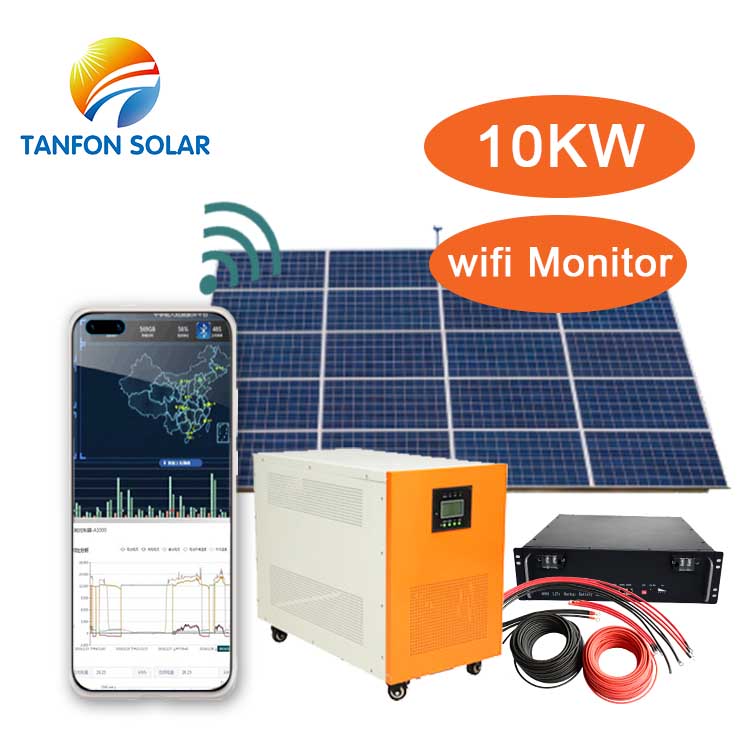
Many installers and analysts quote solar panel prices on a per kilowatt (kW) basis. This metric helps you compare the relative cost-efficiency of different systems and providers. In the Philippines, residential grid-tied solar systems typically range from PHP 60,000 to PHP 90,000 per kWp, including installation.
- Residential: PHP 60,000 – 90,000 per kWp
- Commercial: Often slightly lower, around PHP 50,000 – 80,000 per kWp, due to economies of scale for larger installations.
It’s important to ask what exactly is included in the per kWp price. Does it cover permits, net metering application, and potential structural reinforcements, or is it purely for the hardware and basic installation?
What Drives Solar Panel Prices in the Philippines? Key Factors You Need to Know
Just like buying a car, the final price of a solar system isn’t just about the engine; it’s about the model, features, and even where you buy it. Here’s a deeper dive into the factors influencing solar costs in the Philippines:
Solar Panel Type and Technology (Monocrystalline, Polycrystalline, Thin-Film)
- Monocrystalline Panels: These are typically the most efficient and perform well in low light conditions. They are made from a single silicon crystal, giving them a uniform, dark appearance. They tend to be the most expensive but require less roof space for a given power output.
- Polycrystalline Panels: Slightly less efficient than monocrystalline but also more affordable. They are made from multiple silicon crystals, giving them a mottled, bluish appearance. They require a bit more space for the same power output but offer a good balance of cost and performance.
- Thin-Film Panels: The least efficient but also the most flexible and lightweight. They are generally not used for residential rooftop installations due to their lower efficiency, requiring much more surface area. However, they can be cheaper per unit if space isn’t an issue.
Most residential installations in the Philippines will use monocrystalline or polycrystalline panels, with monocrystalline gaining popularity due to efficiency improvements and decreasing costs.
Inverter Quality and Type (String, Micro, Hybrid)
The inverter is the brain of your solar system, converting the direct current (DC) electricity from your panels into alternating current (AC) electricity that your home appliances use. Inverter costs can vary significantly:
- String Inverters: The most common type, where multiple panels are wired together in ‘strings’ to a single inverter. Cost-effective for roofs without shading issues.
- Micro-inverters: Installed under each individual panel, optimizing power production for each panel independently. Great for roofs with partial shading or complex designs, but more expensive upfront.
- Hybrid Inverters: Used in hybrid systems, these can manage both grid power and battery storage. They are more complex and thus more expensive.
Choosing a reputable inverter brand with a good warranty is crucial for the long-term reliability of your system.
Battery Storage Solutions (For Off-Grid/Hybrid Systems)
If you opt for an off-grid or hybrid system, batteries will be a major cost component. Lithium-ion batteries (like those used in EVs) are becoming more popular due to their longer lifespan, higher efficiency, and deeper discharge capabilities, but they come with a higher price tag than traditional lead-acid batteries. The capacity of your battery bank will depend on your desired autonomy (how long you want to run on stored power).
Mounting System and Installation Complexity
The structure that holds your panels in place is more than just metal; it’s engineered for safety and durability. Factors affecting its cost include:
- Roof Type: Concrete, corrugated metal, tiles – each requires different mounting hardware and installation techniques. Tiled roofs, for example, can be more labor-intensive.
- Roof Condition: An older roof might need repairs or reinforcements before solar panels can be installed, adding to the cost.
- System Size: Larger systems naturally require more mounting hardware.
- Ground Mounts: If rooftop installation isn’t feasible, ground mounts are an option but typically cost more due to additional structural work and potentially more wiring.
- Labor Costs: Skilled labor for solar installation is essential, and these costs are factored into the overall price.
Brand Reputation and Warranty
Just like any major purchase, brand matters. Established global brands often come with higher price points but offer superior efficiency, reliability, and longer warranties (e.g., 25-year performance warranties for panels). While cheaper, lesser-known brands might seem appealing upfront, they could lead to higher maintenance costs or earlier replacement down the line. It’s often worth paying a bit more for peace of mind.
Permitting, Net Metering, and Ancillary Costs
Don’t forget the administrative side! These costs can include:
.png "20kw solar system price philippines – Helios")
- Permit Fees: Local government permits are required for solar installations, varying by municipality.
- Net Metering Application: Fees associated with applying for net metering with your distribution utility (e.g., Meralco) to sell excess power back to the grid.
- Engineering Design: Professional engineering services to design the system correctly and safely.
- Electrical Upgrades: In some older homes, your electrical panel might need an upgrade to handle the solar system.
A reputable installer will usually handle these applications and include their associated fees in the overall quote.
Location and Accessibility
Where your property is located within the Philippines can also influence the price. Installations in remote islands or hard-to-reach provinces might incur higher transportation costs for equipment and higher daily rates for installers compared to major cities like Metro Manila.
Long-Term Savings and Return on Investment (ROI) in the Philippines
While the upfront cost might seem substantial, solar panels in the Philippines are an investment that pays off, often quite handsomely, over time. Electricity rates in the Philippines, especially in urban centers, are among the highest in Southeast Asia, making the financial case for solar even stronger.
Calculating Your Potential Electricity Bill Savings
The primary driver of ROI for grid-tied systems is the reduction in your monthly electricity bill. Consider this:
- If your average monthly bill is PHP 8,000, and a 3 kWp system can offset 70-80% of your consumption, you could save around PHP 5,600 – 6,400 per month.
- That translates to PHP 67,200 – 76,800 in annual savings.
- With an initial investment of, say, PHP 250,000 for a 3 kWp system, your payback period could be as short as 3 to 4 years. Given that solar panels have a lifespan of 25+ years, that’s decades of free electricity!
These are conservative estimates. As electricity rates continue to rise, your savings will only increase over the lifespan of your system.
Understanding Net Metering in the Philippines
The Net-Metering Program in the Philippines, established under the Renewable Energy Act of 2008, allows solar power owners to export excess electricity generated by their systems back to the grid. In return, they receive bill credits. This mechanism is crucial for maximizing your savings:
- How it Works: During the day, if your panels produce more power than your home consumes, the excess goes into the grid, and your utility meter effectively runs backward (or registers credits). At night or on cloudy days, you draw power from the grid.
- Benefits: It ensures you maximize every kilowatt-hour your system produces, reducing reliance on expensive battery storage for grid-tied systems and accelerating your ROI.
However, it’s important to note that the buy-back rate for exported electricity is typically lower than the retail rate you pay for imported electricity. Still, it’s a significant benefit that helps offset costs.
Government Incentives and Policies
While the Philippines may not have direct cash rebates for residential solar like some Western countries, the Renewable Energy Act of 2008 (RA 9513) provides key support:
- Net Metering: As discussed, this is a major incentive allowing bill credits.
- Duty-Free Importation: Some renewable energy machinery, equipment, and materials may be subject to duty-free importation, which indirectly helps keep equipment costs down.
- Tax Incentives: While primarily for large-scale RE projects, there are considerations for Value Added Tax (VAT) exemption on certain renewable energy components. Always check with your solar provider and a tax professional for the latest applicable policies.
Staying updated on local government or utility-specific programs is also a good idea, as incentives can evolve.
Navigating the Solar Installation Process in the Philippines
For a US citizen considering solar for a property in the Philippines, understanding the process is key to a smooth experience. It’s more than just buying panels; it’s a structured project.
Step-by-Step Guide to Going Solar
- Energy Audit and Site Assessment: A reputable solar provider will visit your property to assess your average electricity consumption, roof orientation, shading, and structural integrity. This helps them recommend the optimal system size.
- Proposal and Quotation: Based on the assessment, you’ll receive a detailed proposal outlining the system design, equipment specifications, total cost, estimated savings, and ROI.
- Financing and Contract Signing: If you’re comfortable with the proposal, you’ll finalize payment terms and sign a contract. Many local banks offer solar financing options.
- Permit Applications: Your chosen installer typically handles all necessary permits from local government units (LGUs) and the distribution utility (e.g., Meralco, Visayas Electric Company). This includes electrical permits and building permits.
- Installation: Once permits are secured, the installation team will mount the panels, install the inverter, complete the wiring, and connect the system. This usually takes a few days to a week for residential systems.
- Net Metering Application and Commissioning: After installation, the utility company inspects the system. Upon approval, your net meter is installed or activated, and your system is officially commissioned – meaning it’s live and generating power!
- Monitoring and Maintenance: Most modern systems come with monitoring apps. Regular cleaning of panels (especially in the dusty Philippines) and occasional checks by your installer ensure optimal performance.
Choosing the Right Solar Provider
This is arguably the most critical decision. Not all solar providers are created equal. When evaluating companies, consider:
- Experience and Track Record: How long have they been in business? Can they provide references or show past projects?
- Accreditation and Certifications: Are they accredited by relevant government agencies (e.g., Department of Energy) and certified by equipment manufacturers?
- Quality of Equipment: Do they use reputable, tier-1 panels and inverters with strong warranties?
- Comprehensive Services: Do they handle everything from assessment and design to permitting and after-sales support?
- Warranty and After-Sales Support: What are their warranties on installation and equipment? How responsive are they to service requests?
- Transparent Pricing: A good provider will give you a clear, itemized quote without hidden fees.
Don’t hesitate to get multiple quotes and compare them thoroughly. A slightly higher upfront cost for a reputable provider can save you headaches and money in the long run.
Future Outlook: Solar Energy Trends in the Philippines
The future for solar energy in the Philippines is bright. The country is blessed with abundant sunshine, and the government is increasingly committed to diversifying its energy mix away from fossil fuels. Several trends point towards continued growth and accessibility:
- Decreasing Costs: Globally, solar panel and battery technology costs continue to fall, making solar power more competitive year after year.
- Increased Adoption: As awareness grows and financial benefits become clearer, more Filipino households and businesses are expected to adopt solar.
- Technological Advancements: Innovations in panel efficiency, battery storage, and smart home energy management systems will make solar even more powerful and integrated.
- Policy Support: Expect further refinement and strengthening of renewable energy policies to encourage investment and accelerate deployment.
For US citizens looking at real estate or long-term living in the Philippines, investing in solar power for your property isn’t just an environmentally conscious decision; it’s a smart financial move that future-proofs your home against rising electricity costs and provides energy independence in a dynamic region.
Frequently Asked Questions
What is the average cost of a residential solar panel system in the Philippines?
For a typical grid-tied residential solar panel system, you can expect costs to range from PHP 90,000 for a 1 kWp system up to PHP 700,000 or more for a 10 kWp system, including installation. Prices vary based on system size, components, and installer.
Is solar power worth the investment in the Philippines?
Yes, absolutely. With some of the highest electricity rates in Southeast Asia, solar power offers significant long-term savings. Payback periods can be as short as 3-5 years, and systems typically last 25+ years, providing decades of reduced or eliminated electricity bills and increased property value.
What is Net Metering in the Philippines, and how does it work?
Net Metering is a program that allows solar panel owners to export excess electricity generated by their system back to the utility grid. In return, they receive bill credits, effectively reducing their monthly electricity bill. This ensures you maximize the value of every kilowatt-hour your system produces.
Do I need batteries for a solar panel system in the Philippines?
Not necessarily. If you choose a grid-tied system, you are connected to the utility grid and don’t require batteries for daily operation, as you draw power from the grid when your panels aren’t producing. Batteries are essential for off-grid systems (for energy independence) and hybrid systems (for backup power during outages and optimized energy use).
What factors affect the final price of solar panels in the Philippines?
Several factors influence the final cost, including the type of solar panels (monocrystalline, polycrystalline), inverter quality (string, micro, hybrid), inclusion of battery storage, complexity of installation (roof type, accessibility), brand reputation, and additional costs like permits and net metering application fees.
How long does it take to install a residential solar panel system in the Philippines?
The physical installation of a residential solar system typically takes 3-7 days. However, the entire process, including site assessment, proposal, permit applications (local government and utility), and net metering approval, can take several weeks to a few months, depending on local regulations and utility processing times.


Post Comment