Where To Learn Solar Panel Installation In Lagos
Master Solar Panel Installation in Lagos: Your Definitive Guide to Training & Opportunity
Considering a career in solar energy, perhaps even looking to make an impact on a global scale? Or maybe you’re part of the Nigerian diaspora in the USA, planning to invest back home? The search term “Where To Learn Solar Panel Installation In Lagos” might seem niche for a US audience, but it points to a fascinating opportunity. Lagos, Nigeria, isn’t just a bustling metropolis; it’s a rapidly expanding hub for renewable energy, driven by persistent power challenges and a proactive push towards sustainable solutions.
Table of Contents
- Master Solar Panel Installation in Lagos: Your Definitive Guide to Training & Opportunity
- Why Consider Solar Panel Installation Training in Lagos?
- The Booming Nigerian Solar Market
- Practical, Hands-On Experience
- Cost-Effectiveness & Accessibility
- Unique Market Challenges & Solutions
- Opportunities for International Work & Entrepreneurship
- What to Look for in a Top Solar Installation Program
- Comprehensive Curriculum & Practical Focus
- Experienced Instructors & Industry Connections
- Certification & Accreditation
- Post-Training Support & Job Placement
- Facilities & Equipment
- Top Solar Panel Installation Training Centers in Lagos (A Comparative Overview)
- Beyond the Classroom: What to Expect During Your Training
- Duration and Intensity of Courses
- Tools and Technologies You’ll Master
- Safety Protocols and Best Practices
- Certification and Career Paths After Training in Lagos
- Local vs. International Certification Value
- Career Opportunities in Nigeria
- Global Relevance and Transferable Skills
- Entrepreneurship in the Solar Sector
- Making the Most of Your Solar Training Investment
- Networking and Mentorship
- Continuous Learning and Specialization
- Building Your Portfolio
- The Future of Solar in Nigeria & Your Role in It
- Government Initiatives & Policy Support
- Untapped Potential & Growth Areas
This isn’t about simply listing schools. This is about understanding why Lagos is a strategic location for solar training, what makes its programs valuable, and how a certification from this vibrant market can open doors, whether you’re aiming for a career within Nigeria, international development, or even bringing unique insights back to the US market. Let’s dive deep.
Why Consider Solar Panel Installation Training in Lagos?
You might be wondering, with excellent solar training available in the US, why look to Lagos? The answer lies in a unique blend of market dynamics, practical exposure, and a burgeoning industry with immense growth potential.
The Booming Nigerian Solar Market
Nigeria, Africa’s most populous nation, faces a significant energy deficit. This challenge has fueled an aggressive push towards renewable energy, particularly solar. The demand for skilled solar installers and technicians is skyrocketing. This isn’t just a trend; it’s a fundamental shift. Training in Lagos means learning within a market that is actively seeking and rewarding solar expertise. You’re not just learning a skill; you’re stepping into a high-demand ecosystem.
Practical, Hands-On Experience
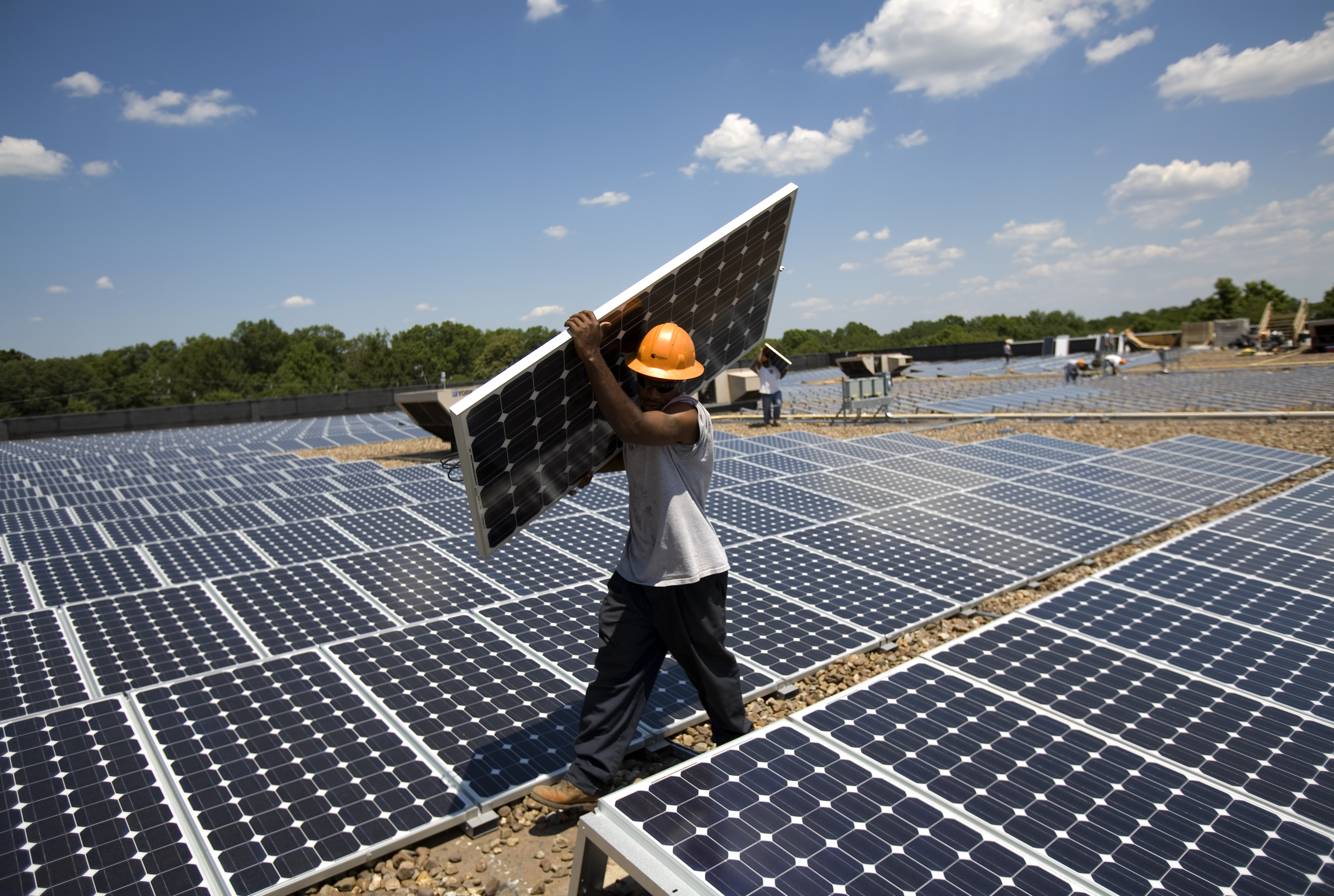
Many training centers in Lagos emphasize practical, hands-on training due to the immediate application of skills in the local market. You’ll often find yourself working with diverse system types, from small-scale residential setups to larger commercial projects, frequently adapting to unique local conditions and power demands. This kind of real-world exposure, often with less standardized infrastructure than in developed markets, can build a level of problem-solving expertise that is invaluable.
Cost-Effectiveness & Accessibility
While specific program costs vary, training in Lagos can often be more cost-effective than comparable programs in Western countries, making it an attractive option for those seeking high-quality education without the premium price tag. Furthermore, for the Nigerian diaspora or those looking to engage with African markets, it offers cultural immersion and networking opportunities that are hard to replicate elsewhere.
Unique Market Challenges & Solutions
Learning in Lagos means being exposed to – and trained to overcome – specific challenges such as grid instability, varying equipment availability, and unique customer requirements. This environment fosters adaptability and innovative thinking, skills highly valued in any global solar market. You’ll learn not just to install, but to implement robust, resilient solutions.
Opportunities for International Work & Entrepreneurship
The skills gained in Lagos are highly transferable. As solar energy becomes a global priority, the ability to work in diverse environments and adapt to different market conditions is a significant asset. Moreover, for those with an entrepreneurial spirit, Nigeria’s solar market presents abundant opportunities for starting your own installation, maintenance, or consulting business.
What to Look for in a Top Solar Installation Program
Choosing the right training program is crucial. Here’s what to prioritize when evaluating solar installation schools in Lagos:
Comprehensive Curriculum & Practical Focus
A strong program will cover more than just installation. Look for curricula that include:
- Solar PV System Design: Understanding how to size systems, calculate energy needs, and select appropriate components.
- System Components: In-depth knowledge of panels, inverters, batteries, charge controllers, and mounting structures.
- Installation Techniques: Proper wiring, mounting, safety protocols, and commissioning.
- Maintenance & Troubleshooting: Diagnosing common issues and performing routine upkeep.
- Battery Storage Solutions: Increasingly vital in unstable grid environments.
- Business & Entrepreneurship: For those looking to start their own venture.
Experienced Instructors & Industry Connections
The quality of your instructors is paramount. Seek out programs led by experienced professionals with a proven track record in the Nigerian solar industry. Industry connections can also be invaluable for internships, job placements, and networking.
Certification & Accreditation
While Nigerian-specific certifications are valuable locally, inquire if the program offers or prepares you for any internationally recognized certifications (even if not explicitly stated, strong foundational training can help). Accreditation by local government bodies or industry associations lends credibility to your qualification.
Post-Training Support & Job Placement
Does the academy offer career guidance, job placement assistance, or connections to local solar companies? This can significantly accelerate your entry into the workforce.
Facilities & Equipment
Hands-on training requires access to modern tools and equipment. Visit or inquire about the training facilities to ensure they are well-equipped and provide a conducive learning environment.
Top Solar Panel Installation Training Centers in Lagos (A Comparative Overview)
Based on available information, several reputable institutions in Lagos offer solar installation training. Here’s a comparative look at some of the prominent ones:
| Training Center | Key Focus Areas (Inferred) | Unique Selling Proposition (USP) | Accreditation/Certification Mentioned (Inferred) |
|---|---|---|---|
| VGL Energy | Introduction, Components, System Design, Installation, Maintenance, Business | “Top-notch solar training” with a focus on comprehensive modules and entrepreneurship. | Implied by comprehensive curriculum and industry focus. |
| Ashdam Solar Academy | General solar training, reliable installation techniques. | Highly recommended, praised for “best and reliable solar training institution” and experienced team. | Implied by strong testimonials and reputation. |
| Gennex Academy | Solar Design & Installation. | “Conducive environment” and “experienced professionals” with hands-on practicals. | Focus on practical expertise. |
| Solar Energy Training Center (PowerTech Solar) | Certified Solar Power Installer training. | Access to “cutting-edge equipment,” experienced instructors. Focus on certification. | Explicitly states “Accredited Locally & Globally” and aims to “Become A Certified Solar Power Installer.” |
| Deslog Training & Consulting | Solar Energy Fundamentals, Installation Techniques, Maintenance Proficiency, Inverter Technology, Regulatory Aspects. | “Master Installation Techniques” and comprehend inverter technology. | Comprehensive course objectives suggest robust training. |
| RETTI (Renewable Energy Technology Training Institute) | Solar PV Design, Sizing and Installation. Also offers online courses. | Focus on “world-class education” and transforming Nigeria’s renewable energy sector. | Strong industry presence and impact focus. |
| SOUTECH Ventures | Solar and Inverter Training. | Offers “4 weeks comprehensive solar and inverter training.” | Implied by comprehensive program length. |
| Lagos State University (ODLRI) | Solar Inverter Installation and Repair. | Academic approach from a reputable university. | University certification. |
Note: This table is based on publicly available information and snippets. It’s always advisable to contact the institutions directly for the most up-to-date course outlines, fees, and accreditation details.
Beyond the Classroom: What to Expect During Your Training
Enrolling in a solar installation program in Lagos is more than just lectures; it’s an immersive experience. Here’s what you can generally anticipate:
Duration and Intensity of Courses
Most intensive solar installation courses range from a few days to several weeks, with some longer, more comprehensive programs extending to months. Expect a fast pace, combining theoretical knowledge with significant practical application. Daily schedules might be packed, reflecting the urgency and demand of the industry.
Tools and Technologies You’ll Master
You’ll get hands-on experience with a range of essential tools, from multimeters and wire strippers to power drills and mounting hardware. You’ll learn to work with various types of solar panels (monocrystalline, polycrystalline), different inverter technologies (string, micro-inverters, hybrid), and battery storage systems (lead-acid, lithium-ion). Understanding the nuances of these technologies in a real-world, dynamic environment is key.

Safety Protocols and Best Practices
Safety is paramount in any installation work. Reputable training centers will instill rigorous safety protocols, covering everything from working at heights to electrical safety and proper handling of tools and heavy equipment. Adhering to these best practices is not only crucial for your well-being but also for the longevity and efficiency of the solar systems you install.
Certification and Career Paths After Training in Lagos
Completing a solar installation program in Lagos can open up a variety of exciting career trajectories. Here’s how your certification translates into opportunities:
Local vs. International Certification Value
A certification from a reputable Lagos institution holds significant weight within Nigeria. It demonstrates competence and readiness for the local market. While direct international accreditation might vary by institution, the practical skills and foundational knowledge you gain are universally valuable. Many US-based individuals or diaspora members find that this hands-on experience in a challenging market is highly attractive to international NGOs, development agencies, or companies seeking talent for projects in emerging economies.
Career Opportunities in Nigeria
Upon completion, you could work as a:
- Solar Installer/Technician: Directly involved in the physical installation, wiring, and commissioning of solar PV systems.
- Solar System Designer: Focusing on planning and optimizing solar solutions for clients.
- Maintenance Specialist: Ensuring the long-term performance and troubleshooting of installed systems.
- Sales & Project Manager: Combining technical knowledge with client relations and project oversight.
Global Relevance and Transferable Skills
The skills you acquire in Lagos are highly transferable across borders. Understanding how to design and install systems, troubleshoot issues, and manage projects are universal requirements in the global solar industry. The adaptability honed in a dynamic market like Nigeria can be a distinct advantage in any setting, including back in the US or in other developing markets.
Entrepreneurship in the Solar Sector
Nigeria’s solar market is ripe for entrepreneurship. With your training, you could start your own solar installation company, offering services to residential, commercial, or industrial clients. This path often allows for greater autonomy, direct impact, and significant growth potential, especially as the country continues its energy transition.
Making the Most of Your Solar Training Investment
Your investment in solar training in Lagos extends beyond the classroom. To truly maximize your potential, consider these strategies:
Networking and Mentorship
Actively engage with your instructors, fellow students, and local industry professionals. Attend workshops, conferences, and industry events. Networking can lead to job opportunities, partnerships, and invaluable mentorship that guides your career path. The connections you make in Lagos could be your strongest assets.
Continuous Learning and Specialization
The solar industry is constantly evolving. Commit to continuous learning. Stay updated on new technologies, installation techniques, and industry standards. Consider specializing in areas like hybrid systems, energy storage, or specific commercial installations to carve out a niche for yourself.
Building Your Portfolio
As you gain experience, document your work. A strong portfolio showcasing completed projects, even if they are from your practical training, can be a powerful tool for attracting clients or securing employment. Include photos, system specifications, and a brief description of the challenges overcome and solutions implemented.
The Future of Solar in Nigeria & Your Role in It
The trajectory for solar energy in Nigeria is overwhelmingly positive. With significant potential and increasing support, your skills will be at the forefront of this transformation.
Government Initiatives & Policy Support
The Nigerian government, through various initiatives and policies, is actively promoting renewable energy. Programs aimed at decentralizing power generation and increasing access to clean energy in rural areas create a continuous demand for skilled personnel and innovative solutions. Understanding these policies can help you position yourself strategically within the market.
Untapped Potential & Growth Areas
Despite progress, Nigeria’s solar potential is largely untapped. Vast regions still lack reliable grid access, making off-grid solar solutions incredibly vital. This translates into immense growth opportunities for installers, designers, and entrepreneurs who can provide reliable, affordable, and sustainable energy solutions. You’re not just installing panels; you’re part of a movement that is bringing light and power to millions.
Whether you’re looking to return to Nigeria with valuable skills, explore international career opportunities, or simply gain a unique perspective on solar energy development, training in Lagos offers a robust and practical foundation. It’s an investment not just in a skill, but in a future powered by clean, renewable energy.
Frequently Asked Questions
Why would someone in the USA seek solar panel installation training in Lagos, Nigeria?
Individuals from the USA might seek training in Lagos for several reasons: to engage in international development or aid projects, to explore business opportunities in Nigeria’s booming solar market, to gain hands-on experience in a rapidly developing context, or as part of the Nigerian diaspora looking to acquire skills to contribute back home. The unique challenges and solutions learned in Lagos can also offer a distinct advantage and diverse skill set.
What kind of curriculum can I expect from solar training centers in Lagos?
Most reputable training centers in Lagos offer a comprehensive curriculum covering solar PV system design, component selection, installation techniques, system maintenance, troubleshooting, and often include modules on inverter technology and battery storage solutions. Many programs also emphasize practical, hands-on experience, and some even touch on business and entrepreneurship in the solar sector.
Are certifications from Lagos-based solar training institutions recognized internationally?
While local recognition within Nigeria is strong and highly valuable, international recognition can vary. Some institutions may have explicit international accreditation, while others might provide a strong foundational training that prepares you for globally recognized certifications (like NABCEP, if applicable, though typically US-centric). The practical skills and problem-solving abilities gained in a dynamic market like Lagos are highly transferable and valued globally, even if the certificate itself isn’t directly international.
What career opportunities are available after completing solar training in Lagos?
Graduates can pursue roles as solar installers, technicians, system designers, maintenance specialists, or project managers within Nigeria’s burgeoning solar industry. For those with an entrepreneurial drive, starting your own solar installation or consulting business is a significant opportunity. The skills are also transferable, opening doors for international work, particularly in other developing markets or with NGOs.
Is it safe to travel to Lagos for solar panel installation training?
Like any major global city, Lagos has its challenges. It’s crucial to research and plan your travel carefully, including accommodation, transportation, and local customs. Many training centers can provide guidance or assistance with logistics for international students. Always prioritize personal safety, be aware of your surroundings, and follow local advice.
What makes the Nigerian solar market unique for training and career development?
Nigeria’s vast energy deficit drives a high demand for solar solutions, leading to rapid market growth. Training in Lagos offers exposure to diverse installation scenarios, from off-grid rural systems to urban hybrid setups, often with varying infrastructure. This environment fosters exceptional adaptability, problem-solving skills, and a deep understanding of resilient energy solutions, which are highly valuable skills in any market.


Post Comment